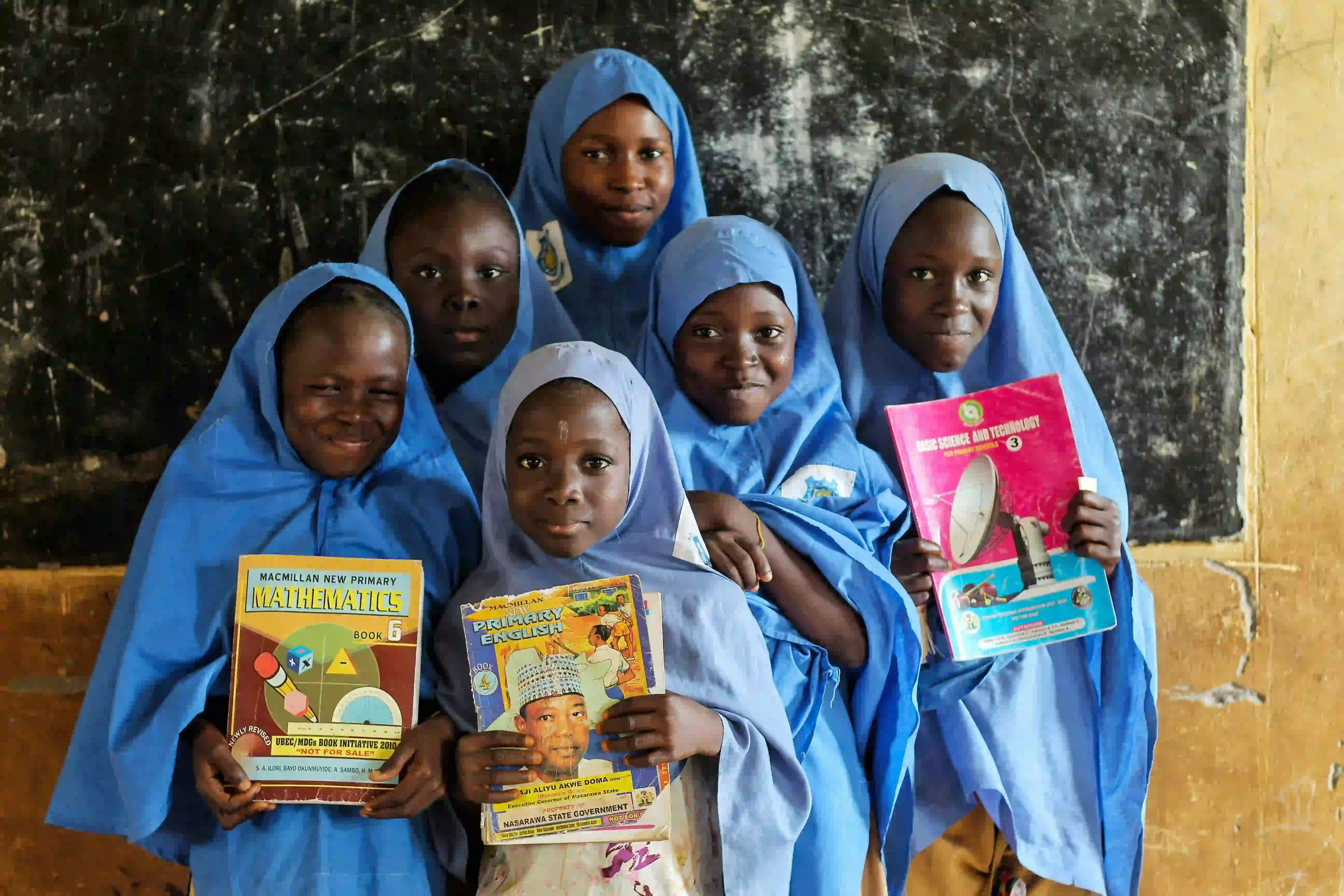
- Purpose — to raise the floor of learning for children at the bottom of the pyramid in Kenya, and to close the learning gap between the most marginalized and the most advantaged learners.
- Foundation — our purpose is grounded in the laws of Kenya, the international conventions to which Kenya is a signatory, and the rights of every child.
- Structure — the ten articles that follow describe our mandate, our scope of work, the children we serve, the methods we use, and the standards of governance, accountability, finance, and partnership that guide our operations.
- Public promise — together, these articles form the constitutional backbone of our organisation: a promise to the communities we serve, to our donors and partners, and to the Kenyan public.
- Our commitment — we will pursue our mission with integrity, transparency, and an unwavering commitment to the children who need us most.
Ten articles
Our Charter is built around ten articles. Each one addresses a part of the work, and together they describe who we are, what we stand for, and how we hold ourselves accountable.
-
1. Purpose.
We exist to raise the floor of learning for children at the bottom of the pyramid in Kenya, and to close the learning gap between the most marginalized and the most advantaged learners. -
2. Mandate.
We operate as a Kenyan nonprofit, governed by a Board of Directors, accountable to the communities we serve, and bound by the laws of Kenya and the international conventions to which Kenya is a signatory — including the United Nations Convention on the Rights of the Child, the Convention on the Rights of Persons with Disabilities, and the Sustainable Development Goals. -
3. Scope.
Our work covers early childhood development, primary education, secondary education, and the transitions between them. We work in ASAL counties, urban informal settlements, and other marginalized communities across Kenya's 47 counties. -
4. Beneficiaries.
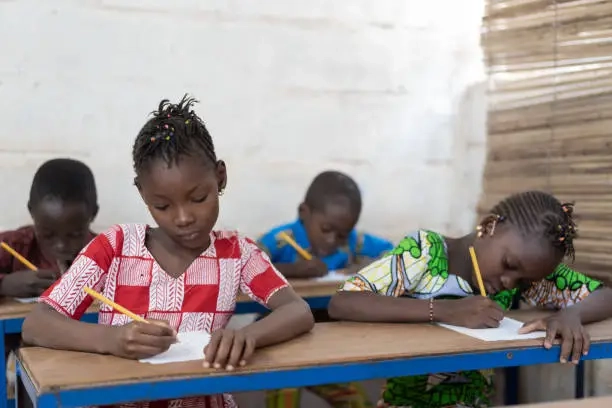
Our primary beneficiaries are children at the bottom of the pyramid, with particular attention to girls, children with disabilities, children in nomadic and pastoralist communities, children in informal settlements, and children affected by drought, displacement, and poverty. -
5. Methods.
We deliver direct programmes, conduct research and learning assessments, advocate for policy change, and build the capacity of schools, teachers, and community institutions. -
6. Governance.
The organisation is governed by a Board of Directors responsible for protecting its mission, values, assets, and public interest. The Board provides strategic direction, appoints and evaluates the chief executive, approves budgets, oversees fundraising, and ensures compliance with applicable laws and donor agreements. Day-to-day management is delegated to the executive team. -
7. Accountability.
We are accountable to the children and communities we serve, to our donors and partners, and to the Kenyan public. We publish annual reports, financial statements, and learning assessments. We invite independent evaluation. We do not hide failure. -
8. Finance.
We raise funds from individual donors, corporate sponsors, foundations, development partners, and government. All funds are used in accordance with our mission, our charter, and the terms of each agreement. We maintain strict internal controls, and we publish our accounts. -
9. Partnerships.
We work in partnership with county and national governments, schools, civil society organisations, faith institutions, and international agencies. We do not duplicate or compete where collaboration serves children better. -
10. Amendment.
This charter may be amended by the Board of Directors, in consultation with the communities we serve, and in accordance with Kenyan law.