-
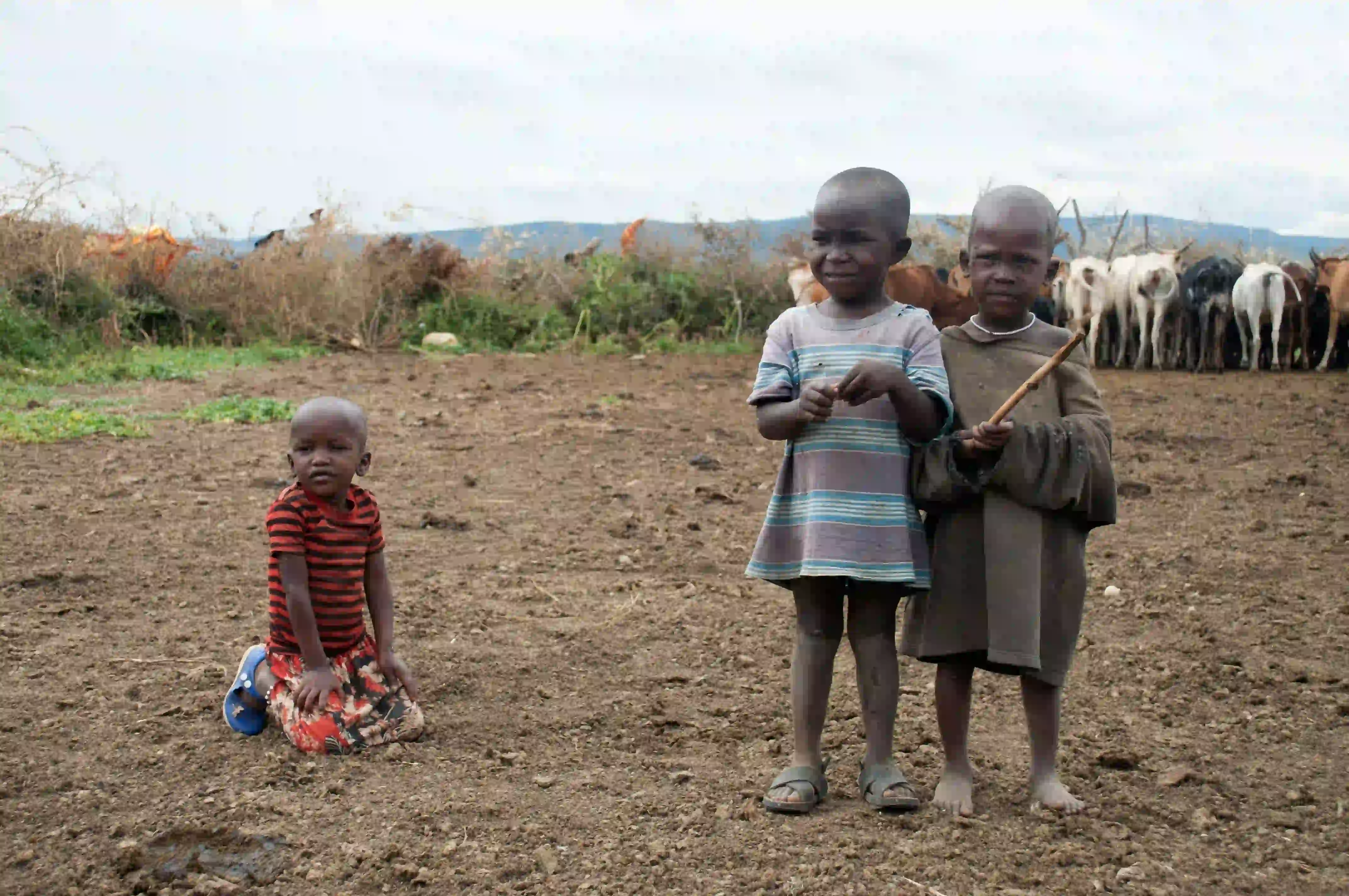
Our Vision: A Kenya where every child is in school, safe, supported and free to learn, grow and achieve their full
potential.
We envision communities where poverty, displacement, hunger, menstrual health challenges, violence and mental distress no longer determine whether a child receives an education. -
Our Mission: To keep vulnerable children in school by removing the barriers that interrupt their learning, supporting
their wellbeing and strengthening the families, schools and communities around them.
We work to ensure that every child—regardless of poverty, gender, disability, location or circumstance—can access education, remain in class and progress from early childhood through basic education with dignity and hope.
How We Pursue Our Mission
We pursue our mission through 10 connected areas of work. Each one responds to a barrier that can keep a child out of school, make learning difficult or push a child further behind. Together, they help children enter school, remain in class, recover from disruption and move forward with dignity.
-
1. Reach the children furthest behind first.
We prioritise the children who are most marginalized, because if a system works for them, it works for everyone. -
2. Remove the barriers that keep children out of school.
Poverty, hunger, disability, gender discrimination, displacement, and language are the barriers we address. -
3. Measure learning, not only enrollment.
Schooling is not the same as learning, and we measure what changes in what children know and can do. -
4. Work with communities, not around them.
Parents, teachers, religious leaders, and local institutions are the foundation on which lasting change is built. -
5. Adapt to the context of each community.
What works in one county may not work in another. We design for the realities of the places where we work. -
6. Invest in teachers.
A teacher who is trained, supported, and equipped is the most important resource a school has. -
7. Support children who are not coping.
A child who is struggling, who has lost a caregiver, or who has lived through trauma needs support to stay in school. -
8. Protect children from harm.
A child who is not safe, not heard, or not protected is a child who will struggle to stay in the classroom. -
9. Use technology where it helps.
Technology is a tool, not a solution, and we use it where it strengthens teaching, learning, and accountability. -
10. Publish what we find.
We share our results, our data, and our failures, because the work of reaching the children furthest behind requires honesty.