Child
Sponsorship
Many children who drop out do not leave because they have failed. They leave because their families cannot cover the
small, persistent costs that schooling requires: a uniform, a pair of shoes, exercise books, examination fees, and
transport to a school that is far from home.
Sponsorship removes that specific barrier for a specific child. It covers school costs directly, so the money
reaches the school and the child rather than being absorbed elsewhere, and it links the child to a sponsor who follows
their attendance and progress over time. The link matters as much as the money. It tells the child and the family that
someone outside the household is paying attention, and that the child's education is worth protecting. The programme is
delivered through four connected areas.
Sub-secort
programming

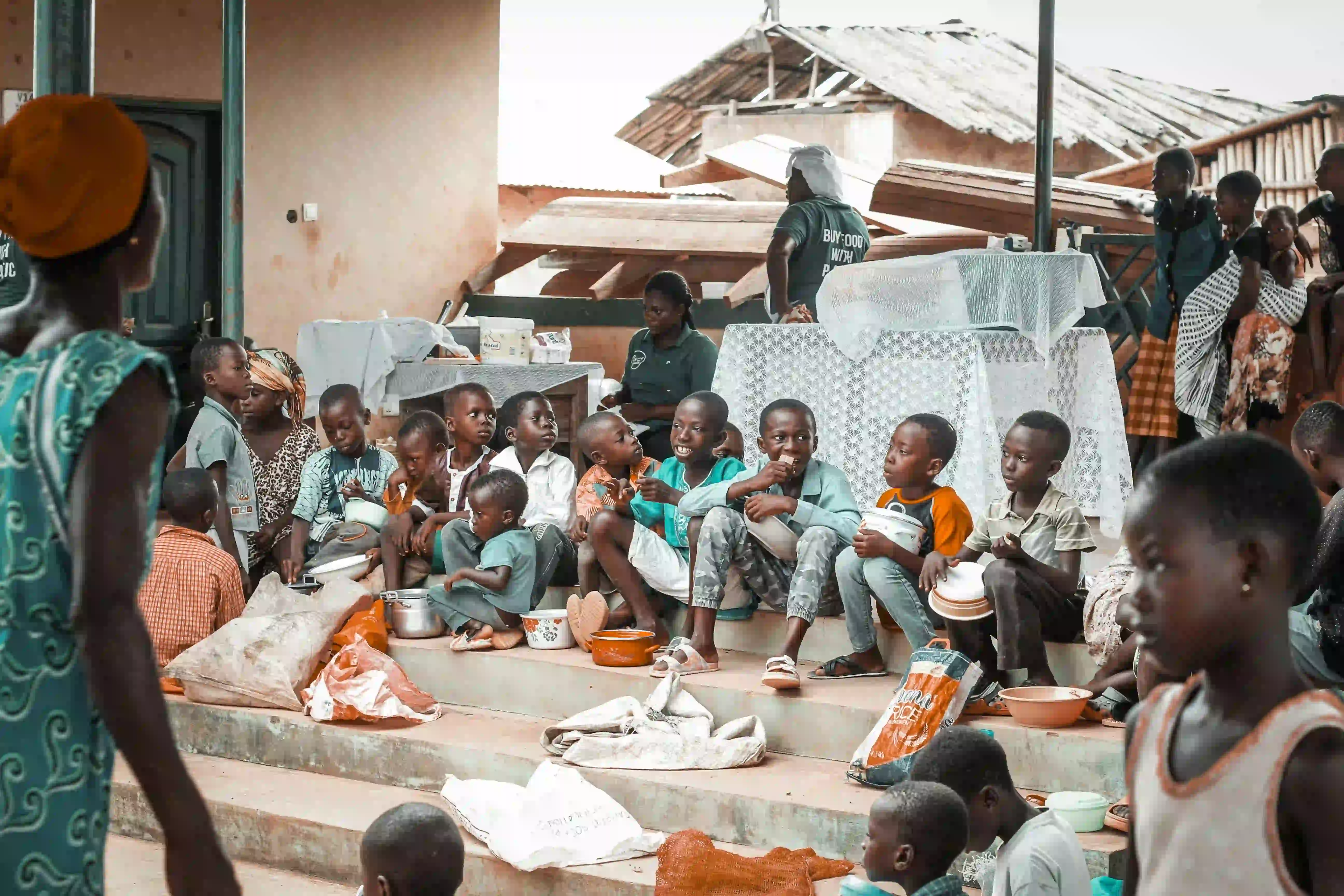
Making Sure the Meal Arrives
School feeding programmes in Kenya are not guaranteed. They depend on funding that can be reduced, on supplies that can run out, and on decisions made in offices far from the schools that rely on them.
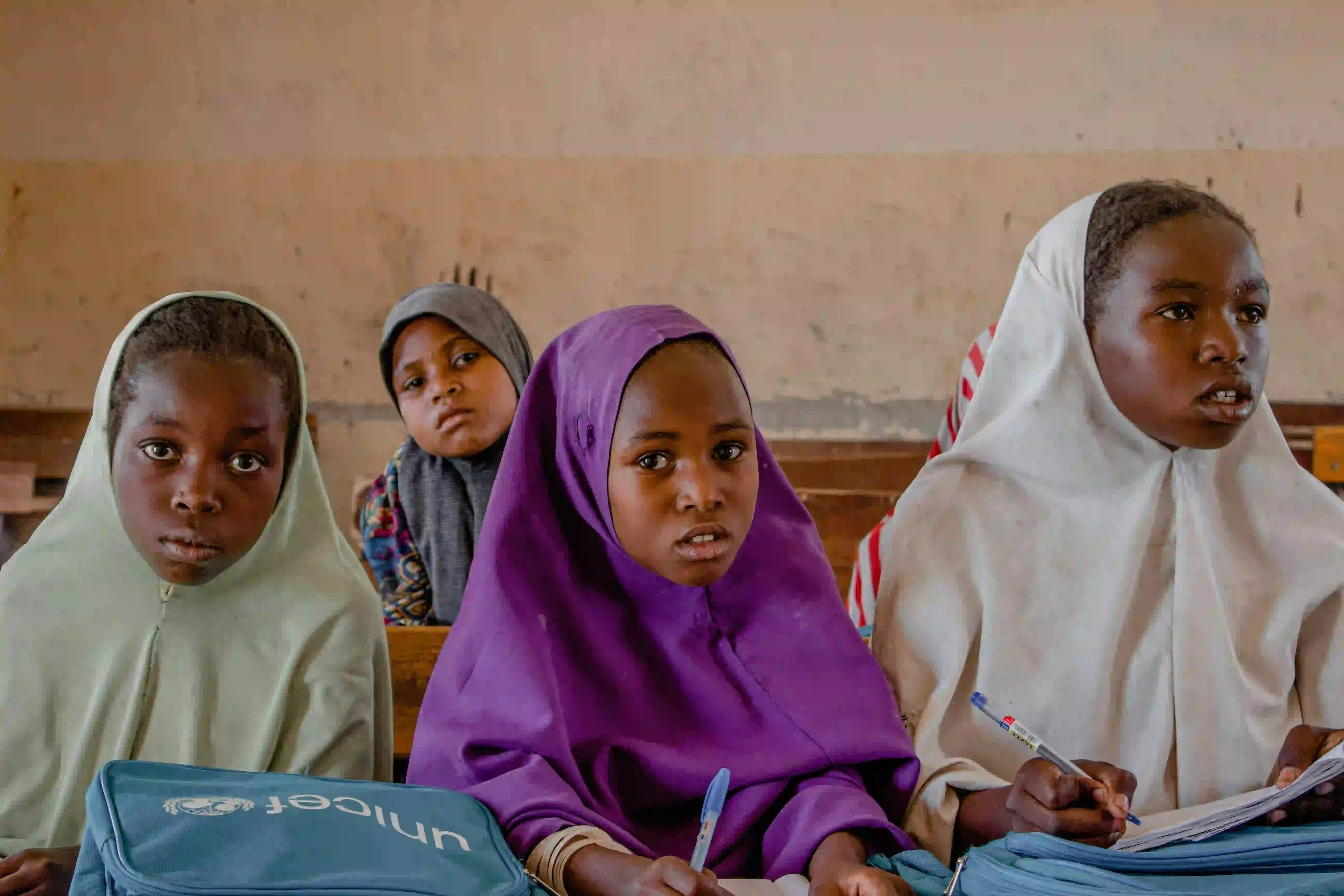
Back-to-School Support
Answering the Questions That Keep a Child at Home - A child who has been out of school for a term, or a year, or longer does not simply walk back into the classroom.

Examination and Transition Costs
Covering the Price of the Next Step - The costs of schooling do not end with the school term. They arrive in concentrated form at the points where a child moves from one level of education to the next, and it is at these points that some of the most preventable dropouts occur.

Pastoral Support and Mentorship
Addressing What Financial Support Cannot A sponsored child often carries pressures that money alone does not remove.
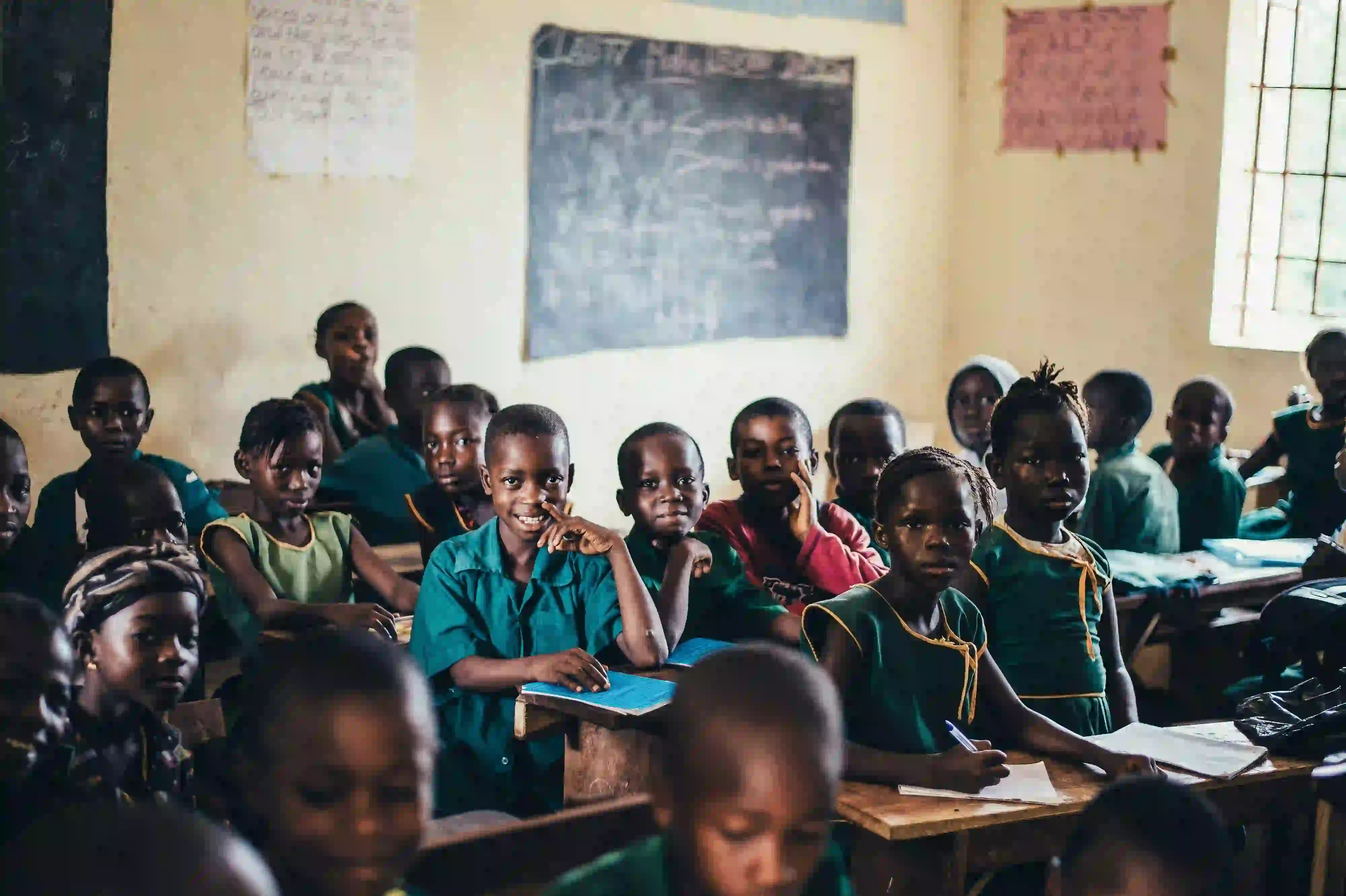
Removing the Cost Barrier
Sponsorship That Keeps a Child in School The most immediate barrier for a child at risk of dropping out is the cost of staying in school.
The Sponsor-Child Link
Sponsorship is not only the transfer of funds. A child who is supported through sponsorship is linked to a sponsor who receives regular updates on the child's attendance, participation, and progress.