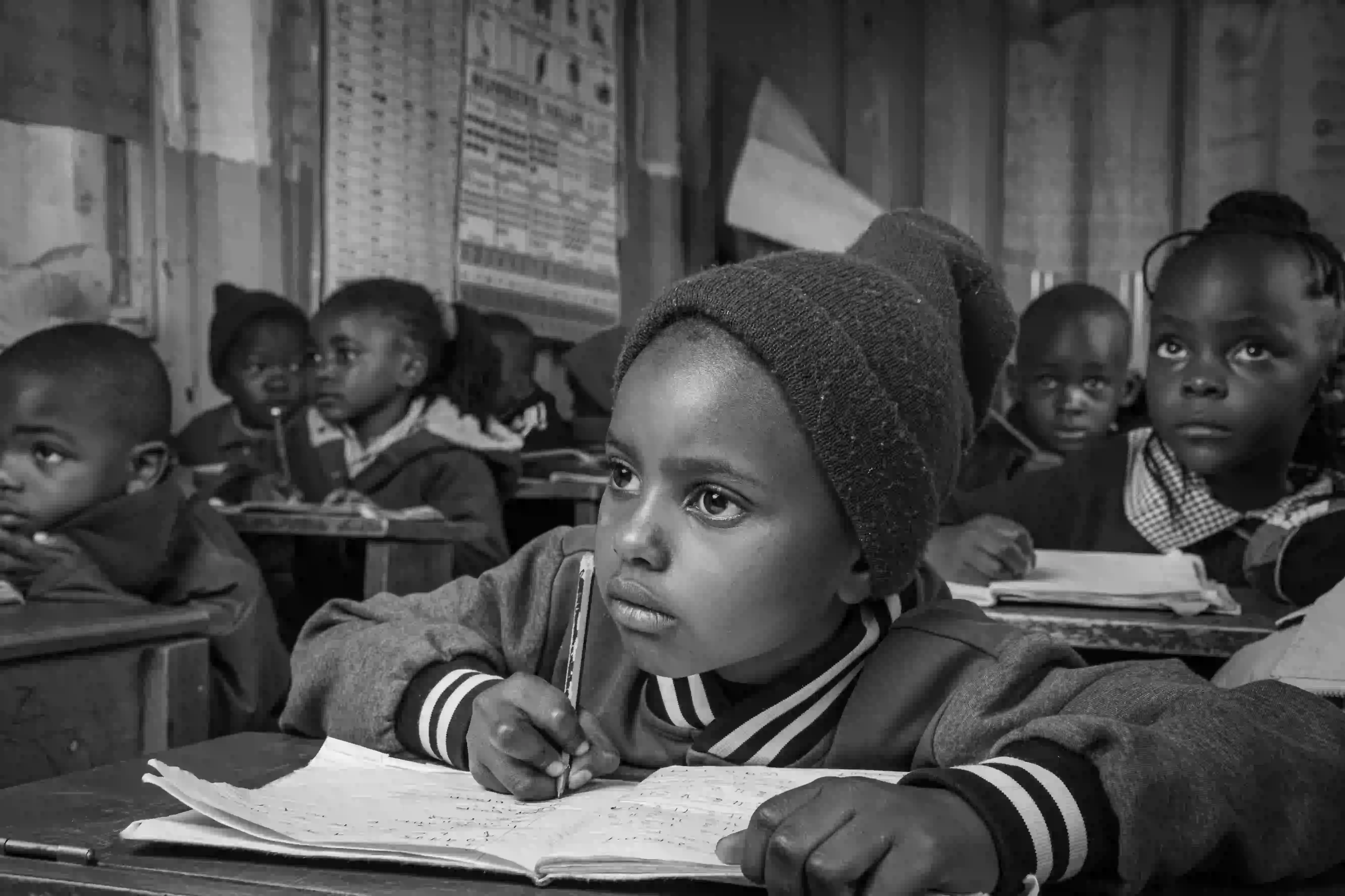
Mentorship and
Mental Health Education
Mental health education equips teachers and schools to recognise what they are seeing and to respond in a way that helps rather than harms. It means teaching teachers to notice changes in a child's behaviour, to ask simple questions without judgement, to refer children to support when it is needed, and to create a classroom where a struggling child is not shamed. It also means giving children the language to talk about what they are feeling, so that distress is not carried alone in silence. The work is delivered through four connected areas.
Sub-secort
programming
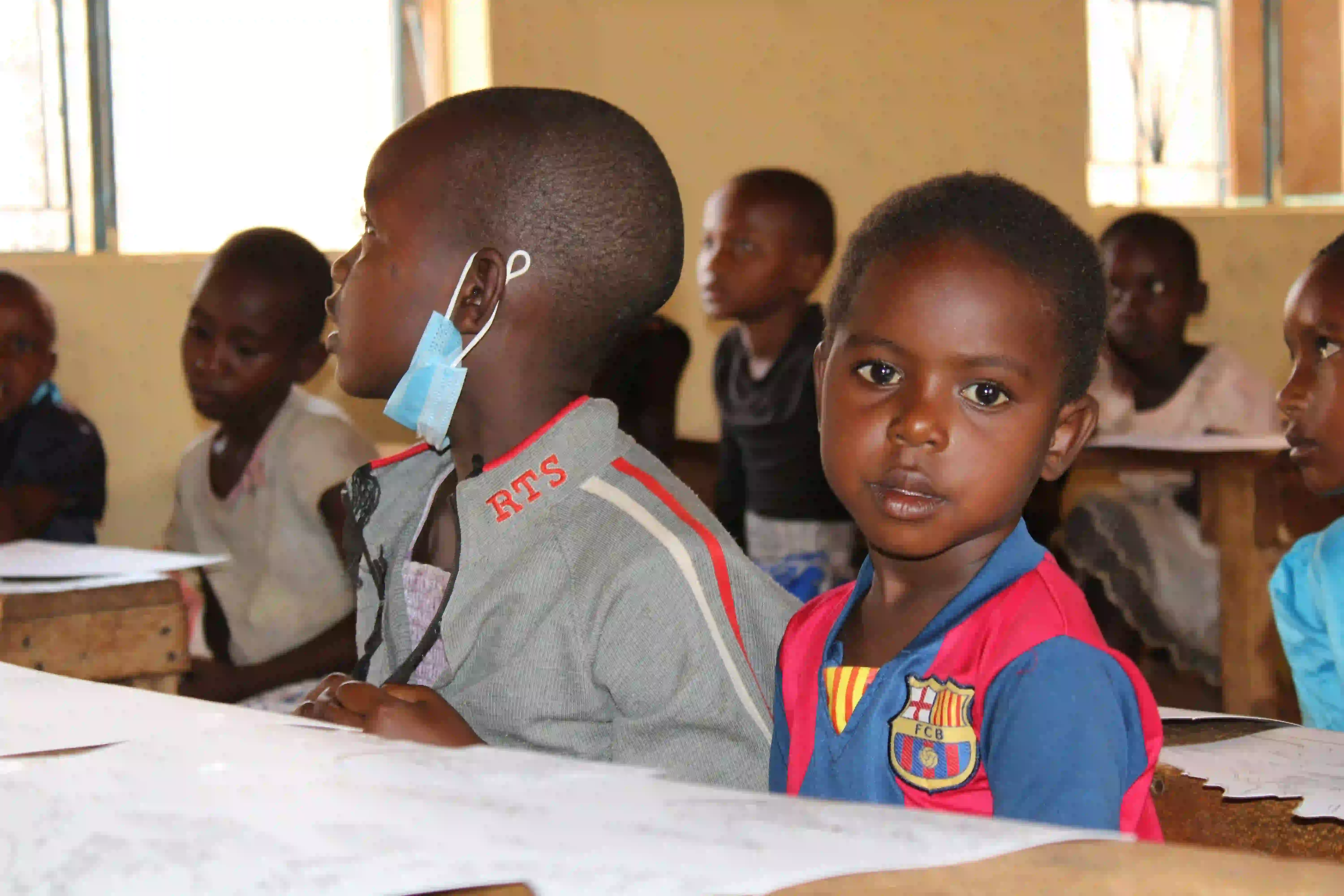
Mental Health Education
Giving Children the Language for What They Feel - Children need language for what they are feeling. Without it, distress is carried in silence, and silence is where it does the most damage.

Community Mentorship
Someone in the Child's Corner - Every child needs at least one adult who is paying attention to her as a person.

Counselling and Referral
Connecting the School to the Services. Some children need more than a teacher who has been trained to listen. School-based counselling and referral is how we make sure that these children are not left without help.
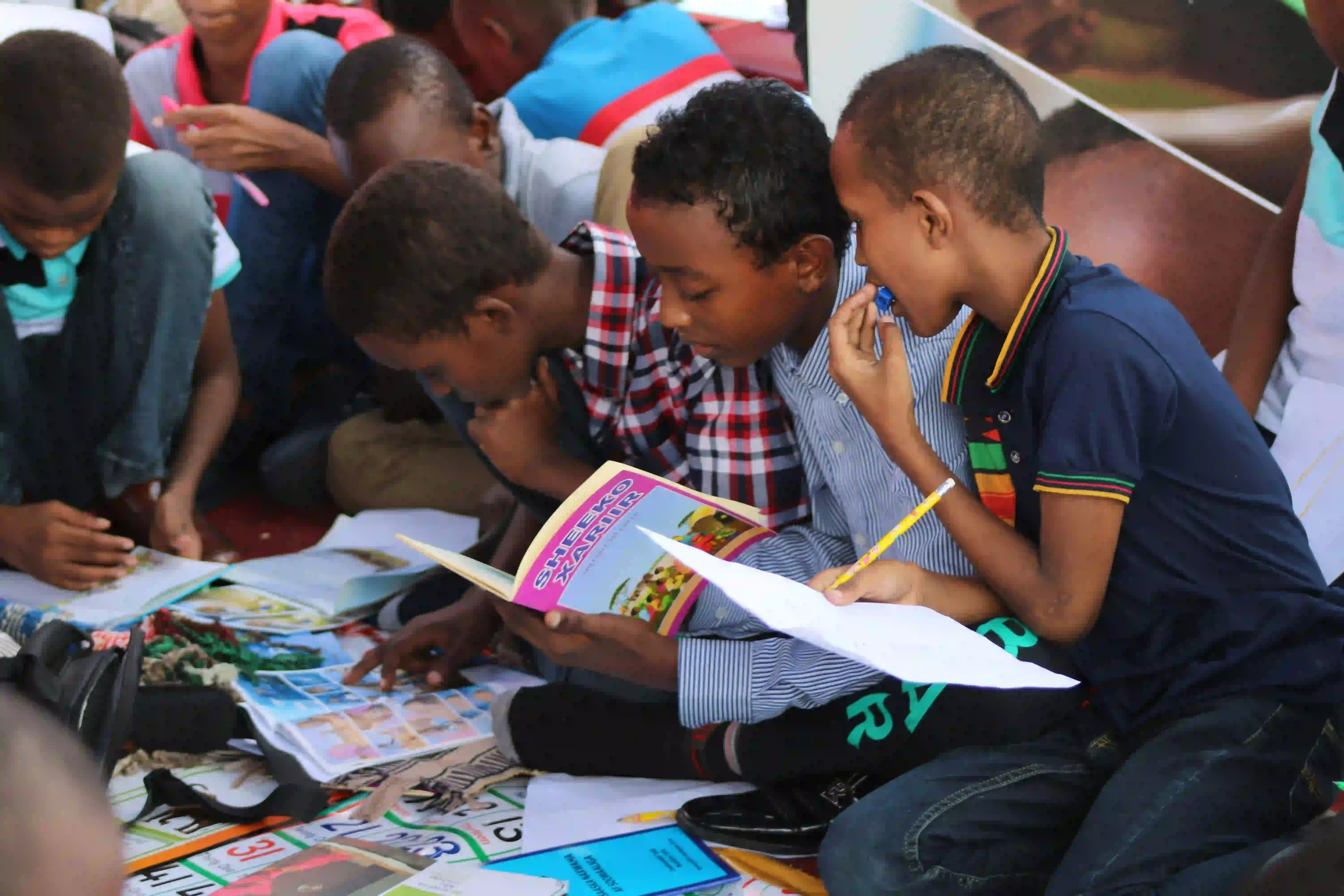
Teacher Training
Equipping Teachers to Notice and Respond- Teachers are often the first adults to notice when a child is struggling. They see the child more consistently than almost any other adult outside the home.